
The United States has officially labeled Brazil’s two most notorious criminal organizations, the First Capital Command (PCC) and the Red Command, as foreign terrorist organizations. This designation is due to their significant involvement in drug trafficking, organized crime, and threats to regional security.
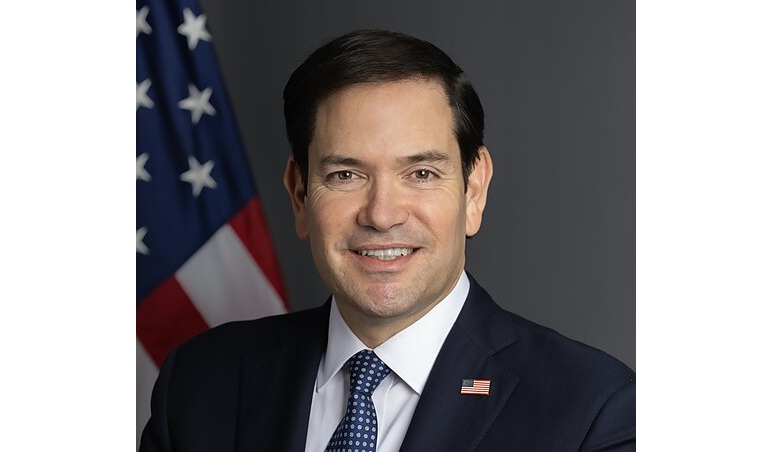
According to US Secretary of State Marco Rubio, these groups are among the most violent in Brazil and have expanded their criminal activities throughout Latin America and into the United States. By classifying them as terrorist organizations, the US aligns them with other regional criminal groups that have received similar designations in the past.
Both the PCC and Red Command originated within Brazil’s prison system and have since grown into formidable transnational crime networks. They are heavily involved in the cocaine trade, sourcing drugs from neighboring countries to supply markets in North America and Europe.
Brazilian President Luiz Inácio Lula da Silva has expressed opposition to this move, arguing that Brazil already has effective mechanisms to tackle organized crime and raising concerns about national sovereignty. Nonetheless, Brazilian authorities have recently intensified operations against the PCC, including efforts to address alleged infiltration into the financial sector.
This designation may influence the upcoming presidential election in Brazil, with opposition parties welcoming it as a stronger international stance against organized crime. Analysts are evaluating the practical impacts of this decision, particularly its effects on financial transactions and regional security collaboration.