
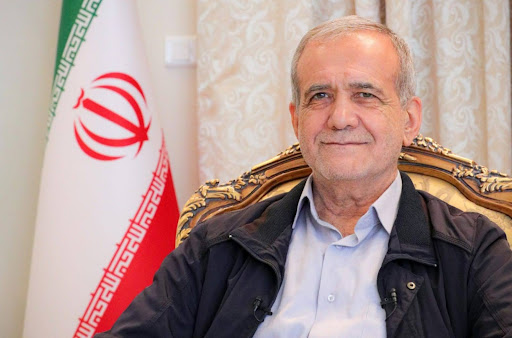
Iranian President Masoud Pezeshkian has publicly characterised Gulf nations as enablers of the US military campaign against Iran and urged them to reconsider their positions before further damage is done. Speaking more than a month into the war, Pezeshkian framed Gulf governments’ continued hosting of US military operations as a threat not only to Iran but to their own national interests. The statement marks a significant intensification in Tehran’s diplomatic pressure on neighbouring states.
Saudi Arabia, the UAE, Oman, Kuwait, and Qatar have all become entangled in the conflict primarily due to the presence of US forces on their territory. Washington has used those military installations to launch operations against Iran, drawing retaliatory Iranian strikes on the host countries. The resulting damage and instability have forced Gulf governments to confront the real costs of their existing security arrangements with the United States.
Pezeshkian’s post on X articulated a dual message: Iran’s military response would be firm and targeted, and Gulf neighbours had a choice to make about whose side they were effectively on. He stated unequivocally that Iran does not initiate attacks but will retaliate strongly against strikes on its infrastructure or economy. He argued that only by refusing to host enemy operations could Gulf nations genuinely secure their futures.
Pakistan’s Prime Minister Shehbaz Sharif has played an active role in attempting to bring the parties closer to dialogue, engaging both Iranian leadership and other regional governments. Sharif’s discussions with Pezeshkian highlighted Iran’s insistence that trust must be established as a prerequisite to any negotiations. Pakistan has been credited by Tehran for its constructive and independent role in promoting peace.
Diplomats from Saudi Arabia, Egypt, and Turkey are currently gathered in Pakistan for high-level consultations on the conflict and its regional implications. They are meeting with Pakistani officials, including Foreign Minister Ishaq Dar and Prime Minister Sharif, to formulate a coordinated regional response to the crisis. The scale of the diplomatic activity in Islamabad suggests that regional actors are increasingly convinced that only a collective effort can stop the war from escalating further.